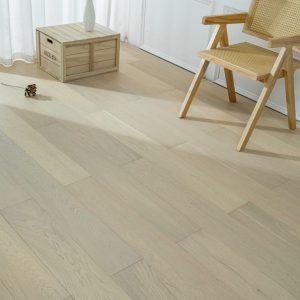
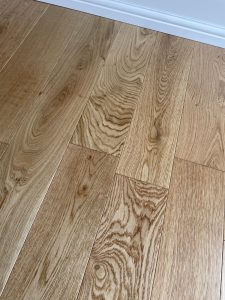
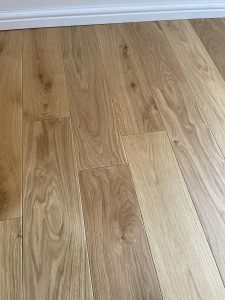
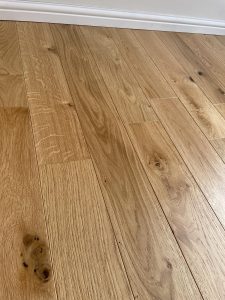
Engineered Wood Flooring
Showing 1–9 of 14 results
The Style Edit
Flooring Comparison
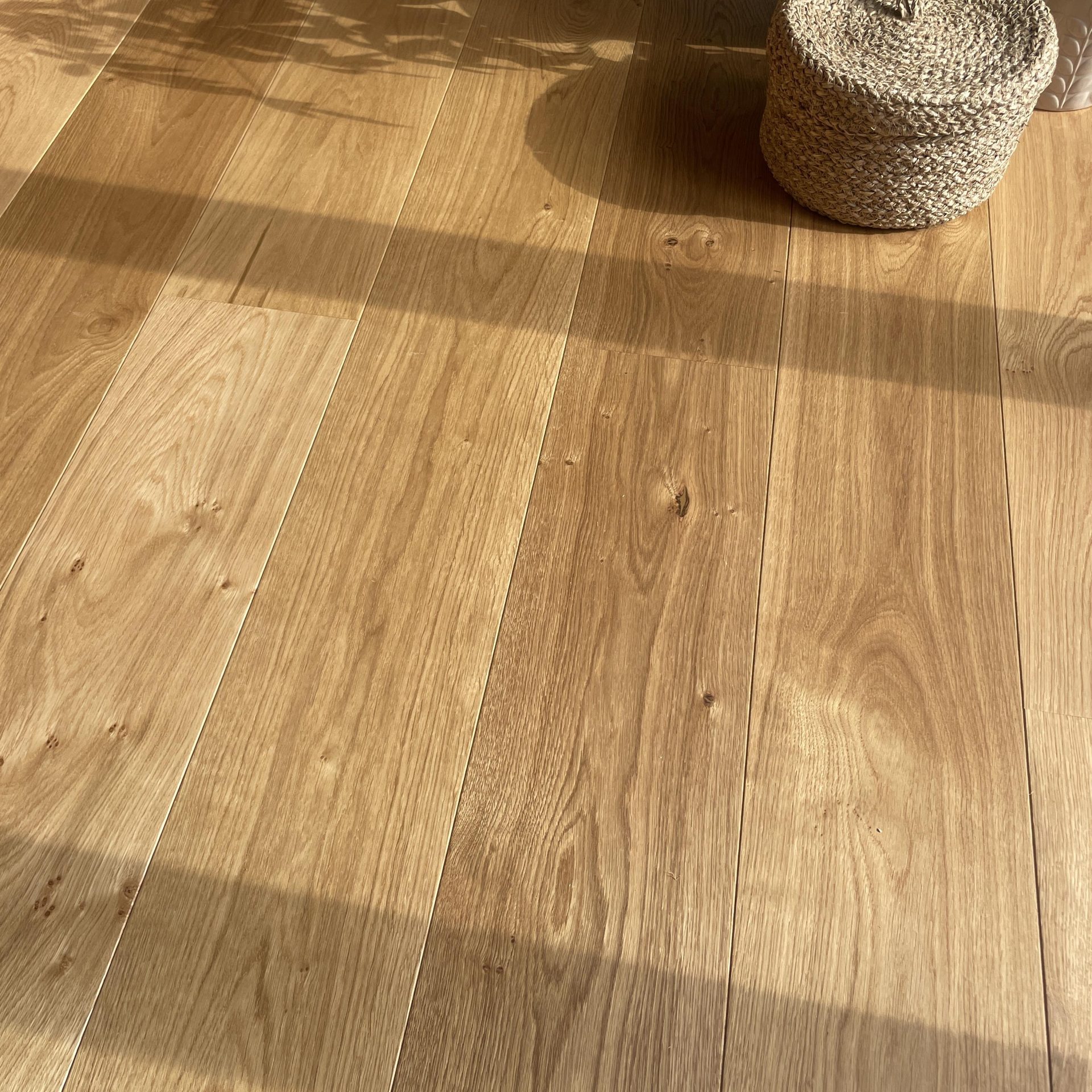
Engineered Wood Vs Solid Wood Flooring
Construction
| Engineered Wood Flooring | Solid Wood Flooring |
|---|---|
| A real wood surface bonded to a multi-layer core for added stability. | Made from one solid piece of timber throughout. |
Stability
| Engineered Wood Flooring | Solid Wood Flooring |
|---|---|
| More dimensionally stable, making it better able to cope with changes in temperature and humidity. | More susceptible to natural expansion and contraction as temperature and humidity change. |
Underfloor Heating
| Engineered Wood Flooring | Solid Wood Flooring |
|---|---|
| Often suitable for use with underfloor heating, subject to the individual flooring specification and installation requirements. | Generally less suitable for underfloor heating due to the increased movement that temperature changes can cause. |
Appearance
| Engineered Wood Flooring | Solid Wood Flooring |
|---|---|
| A genuine wood surface gives you the natural grain, colour and character you'd expect from real wood. | Natural wood throughout, with the authentic grain and variation of solid timber. |
Refinishing
| Engineered Wood Flooring | Solid Wood Flooring |
|---|---|
| Can be sanded and refinished depending on the thickness of its real-wood wear layer. | Can generally be sanded and refinished more times because the board is solid timber throughout. |
Installation
| Engineered Wood Flooring | Solid Wood Flooring |
|---|---|
| Offers flexible installation options depending on the product, subfloor and environment. | Installation options can be more restricted and require greater consideration of the subfloor and environment. |
Practicality
| Engineered Wood Flooring | Solid Wood Flooring |
|---|---|
| A versatile choice for modern homes, renovations and spaces where greater stability is beneficial. | Best suited to environments where temperature and humidity remain relatively stable. |
Cost
| Engineered Wood Flooring | Solid Wood Flooring |
|---|---|
| Available across a wide range of price points, with cost influenced by the real-wood wear layer, grade, finish and board size. | Often more expensive due to each board being made from solid timber throughout, although prices vary considerably by species, grade and finish. |
Our Top Picks
Flooring Finishes Explained
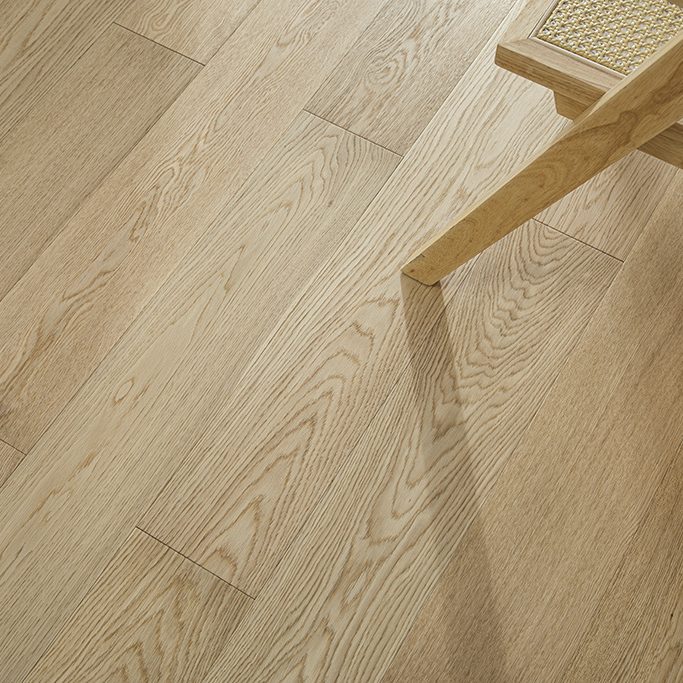
Brushed Flooring
Brushed flooring has been gently wire-brushed during manufacturing to remove softer wood from the surface. The result? An enhanced wood grain that absolutely stuns.
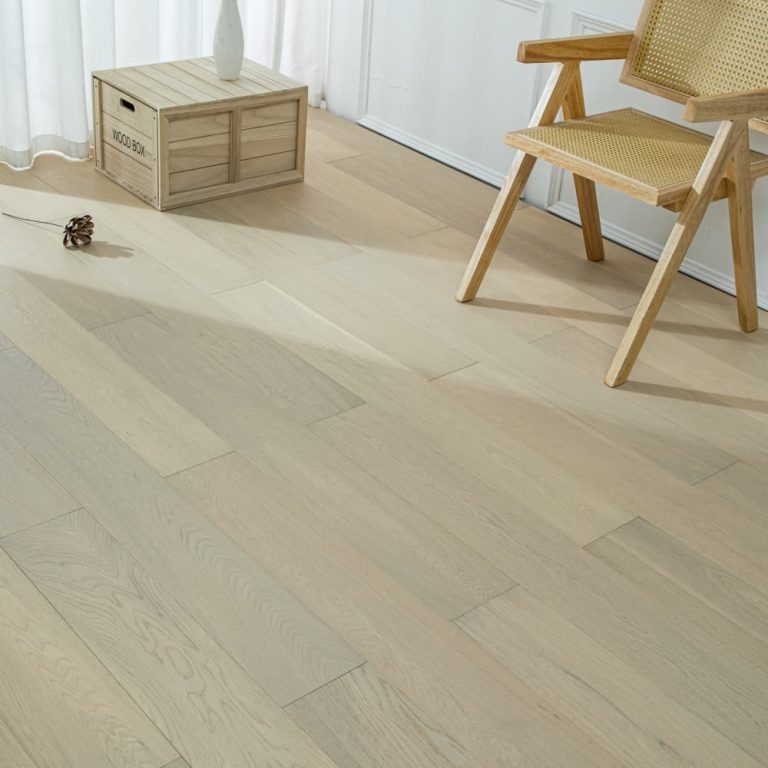
Smoothed Flooring
Smoothed flooring has been lightly sanded during manufacturing to flatten the surface texture, delivering an ultra modern finish that's uniform, precise and perfect.
Oiled Flooring
Want ultra-rich wood tones packed with depth? Just add oil.
Our oiled floors are treated during manufacture to provide extra protection & natural charm
Lacquered Flooring
Protect against everyday life with our spill-resistant lacquered floors. During manufacturing, floors are covered with a surface level lacquere which provides extra protection without compromising on looks.
Engineered Wood Flooring FAQs
What Is Engineered Wood Flooring?
Engineered wood flooring is real wood flooring, built in layers for added strength and stability. It features a genuine oak top layer (or other wood species, depending on what you choose), backed by cross-laminated structural layers (often birch) that help reduce movement caused by changes in temperature and humidity.
The result is a floor that delivers all the natural character of oak, with a more consistent, dependable performance ideal for modern homes.
The added bonus? It's much more cost effective than solid wood flooring too.
What's The Difference Between Engineered Wood Flooring & Solid Wood Flooring?
The main difference is in how they’re constructed. Solid wood flooring is made from a single piece of timber, while engineered wood flooring uses a real oak top layer bonded to multiple layers beneath.
This cross-laminated construction makes engineered flooring far more stable, less prone to expansion and contraction, and better suited to everyday living. It's also much better value and more cost-effective than solid wood flooring.
Is Engineered Wood Flooring Real Wood?
Yes, engineered wood flooring is very much real wood. The surface you see and walk on is genuine oak, complete with natural grain, knots and variation.
Because the oak layer is supported by a structural base, you get the same authentic look and feel as solid wood, but with added durability and peace of mind.
Is Engineered Wood Flooring Better Than Laminate & LVT?
If you’re looking for the warmth and character of real wood, engineered flooring is hard to beat. Unlike laminate or LVT, it has a genuine oak surface that ages beautifully over time.
While alternatives can be practical (especially in kitchens and bathrooms, engineered wood offers a more natural look, a warmer feel underfoot, and the option to refinish, making it a popular step up for many homeowners.
Is Engineered Wood Flooring Suitable For Kitchens & Bathrooms
Engineered wood flooring can be a great choice for kitchens. Its construction offers greater stability than solid wood, helping it cope better with changes in moisture and temperature within the home.
While engineered wood flooring is more moisture-resistant than traditional solid wood flooring, it's not fully waterproof.
Spills and splashes should be cleaned promptly, and standing water should be avoided to protect the floor over time. Using mats near sinks and exterior doors and maintaining a stable indoor environment can help preserve the appearance and performance of your flooring in busy areas such as the kitchen.
Unfortunately, due to the higher moisture levels, engineered wood flooring isn't suitable for most bathrooms.
Please note: installation in kitchens or bathrooms is entirely at your own risk. Please research yourself before purchase and installation.
Is Engineered Wood Flooring Suitable For Underfloor Heating?
Engineered wood flooring is one of the best choices for underfloor heating. Thanks to its layered construction, it handles gentle, consistent heat far better than solid wood.
When installed correctly and used with a compatible heating system, engineered oak flooring warms evenly, stays stable, and feels great underfoot without compromising on looks.
Is Engineered Wood Flooring Suitable For Pets
Engineered wood flooring is suitable for pets.
Matt lacquered and lacquered finishes tend to hide scratches more effectively than high gloss finishes. We also recommend opting for a lighter, textured finish for your flooring, which helps disguise scratches better.
Wipe away spills quickly to prevent lasting damage. Remember to keep your pet's claws trimmed and use rugs in high-traffic areas to increase your floor's longevity.
Like all natural wood products, engineered flooring may mark over time. However, most can be sanded and refinished to bring your floor back to new.
Is Engineered Wood Flooring Water Resistant?
Engineered wood flooring isn’t fully waterproof, but it is more water-resistant than solid wood. Its layered construction helps reduce movement when exposed to small spills or everyday moisture. That said, standing water should always be avoided.
With the right care, engineered oak works well in most living spaces, hallways and dining areas. It can also be suitable for kitchens, especially if option for a water resistant finish such as matt lacquer.
How Do You Install Engineered Wood Flooring?
Engineered wood flooring is designed to be straightforward to install. Most competent DIYers can install engineered wood flooring.
Depending on the subfloor, engineered flooring can be glued, nailed or floated, offering flexibility and making it easier to achieve a clean, long-lasting finish.
At Frinje, we recommend laying your flooring using a 'floating floor' method, where your floor is laid 'sitting' on top of a subfloor or underlay, rather than nailed or fixed down.
How Long Should I Acclimatise My Flooring Before Installation?
We recommend acclimatising your flooring by leaving it in the room where it will be installed for at least 72 hours beforehand. The room should be dry, fully enclosed and at a normal living temperature during this time.
Avoid storing floors in garages, conservatories, next to radiators, or in areas with excessive moisture.
Skipping acclimatisation can sometimes lead to issues such as expansion gaps, lifting or changes in the appearance of the floor, or warping after installation. Taking the time to prepare the flooring properly helps ensure the best possible finish and long-term performance.
How Long Does Engineered Wood Flooring Last?
A high-quality engineered floor can last for decades. With a durable top layer and a strong cross-laminated core, it’s built to stand up to everyday wear.
Many engineered floors can also be sanded and refinished, helping to refresh their appearance over time and extend their lifespan even further. The thicker the top layer, the more times the surface can be refinished.
Can Engineered Wood Flooring Be Sanded & Refinished?
Yes, engineered wood flooring can be sanded and refinished, depending on the thickness of the oak top layer.
Floors with a well-sized wear layer allow for light sanding to remove marks, scratches or signs of wear. This makes engineered oak a practical long-term option for busy homes where spills, scuffs and life happen.
Can I Order Engineered Wood Flooring Samples
At Frinje we offer free engineered wood flooring samples to help you find the perfect flooring for your home.
Samples are intended to give an indication of the overall style and finish, but some natural variation between boards should always be expected.
We recommend comparing a few different tones, styles and finishes together, alongside your existing furniture, paint colours and lighting before making a final decision.