2027 Is Going Natural. Starting From The Floor Up
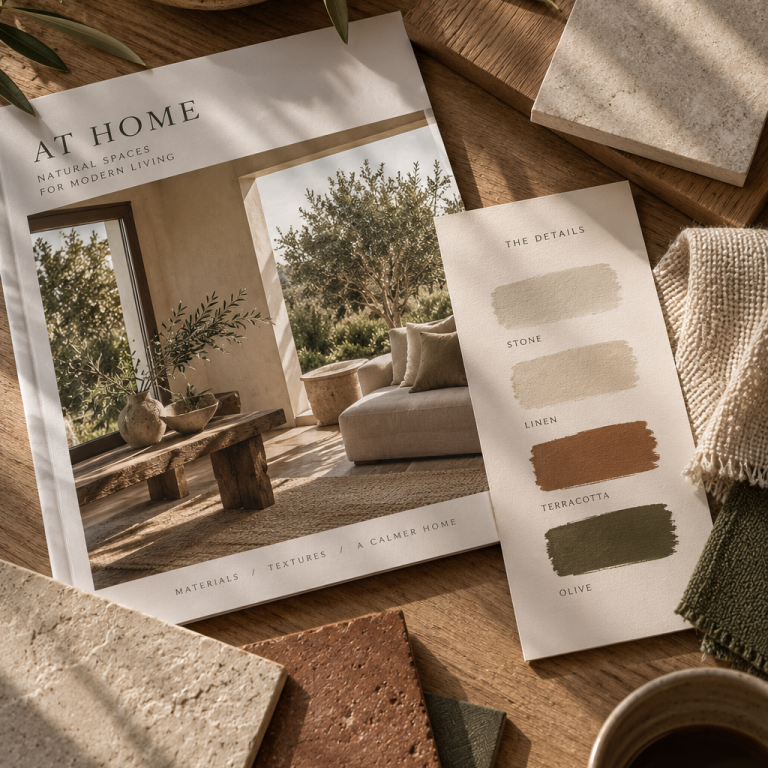
2027 Interior design trends. Engineered wood flooring is perfectly placed for the future of interior design.
If the last few years have taught us anything about interiors, it’s that we’re getting a little tired of being told what our homes should look like.
As we head towards 2027, design is becoming more relaxed, more personal and much more interested in longevity. We’re seeing warmer colours, natural materials, tactile finishes and rooms that have clearly been put together over time.
There’s still plenty of room for new ideas, of course. We just seem to be getting better at choosing the ones we actually want to live with.
Here are some of the interior trends we expect to see much more of in 2027.
Minimalism Is Warming Up
Minimalism has been softening for a while, and 2027 looks set to continue in that direction.
Clean lines and uncluttered rooms are sticking around, but the colder side of minimalism is fading. In its place are warm whites, creams, taupes, natural timber, tactile fabrics and softer shapes.
Furniture is becoming more comfortable too. Sofas are deeper, chairs are rounder and rooms are being designed around how they feel to use rather than how perfectly they photograph.
The overall effect is still calm and considered, just with a bit more personality.
Natural materials work particularly well here. A simple oak floor, for example, can add warmth and texture without making a pared-back room feel busy.
Earthy Colours Are Getting Richer
Nature-inspired colour palettes aren’t exactly new, but they’re becoming more interesting.
The soft beiges and sage greens we’ve seen everywhere in recent years are being joined by richer, muddier shades: olive, ochre, rust, clay, tobacco, chocolate brown and deep mineral tones.
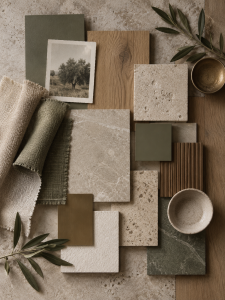
Even neutrals are warming up.
Rather than brilliant white and cool grey, we’re moving towards chalky whites, mushroom, sand, putty and stone.
These colours tend to be easy to live with and surprisingly easy to combine. A muted olive wall can sit beautifully alongside warm timber, linen and stone, while terracotta and rust shades bring life to otherwise neutral rooms.
And yes, brown really is back.
Some of us might need a little longer to process that one.
Natural Materials Are Taking Centre Stage
Wood, stone, linen, wool, clay, rattan and other natural materials are becoming a bigger part of the room rather than simply finishing touches.
There’s something reassuring about materials that have genuine texture and variation. Timber has grain and knots. Stone has veining. Linen creases. Handmade ceramics aren’t perfectly identical.
That character is increasingly being celebrated.
It also means interiors can be fairly simple without feeling flat. A room made up of timber, stone and textured fabric already has plenty going on before you start adding decoration.
This is one reason natural wood continues to work so well in contemporary interiors. Whether it appears in flooring, furniture, cabinetry or architectural details, the grain brings warmth and variation that’s difficult to replicate convincingly.
Rooms Are Becoming More Personal
The days of buying an entire room from one collection seem to be disappearing.
Thankfully.
In 2027, we expect to see more interiors that feel collected over time. Vintage pieces alongside new furniture. Artwork that means something to the owner. Books on shelves. Objects brought home from travels. Family pieces mixed with modern design.
Even styles are becoming harder to categorise.
A Victorian house might have contemporary furniture and modern lighting. A new-build might include antique pieces and rustic timber. Scandinavian influences can happily sit alongside bolder colours and traditional detailing.
There are fewer rules, which makes things much more interesting.
The result is a home that looks like your home rather than a recreation of somebody else’s Pinterest board.
Texture Is Becoming Just As Important As Colour
We’ve spent years talking about colour palettes, but texture is becoming one of the biggest ways to add interest to a room.
Bouclé may have kicked the door open, but things are moving well beyond one fabric.
Expect brushed finishes, limewash-style walls, natural stone, chunky woven fabrics, slubby linen, wool, timber grain and handmade ceramics.
Even relatively neutral rooms can feel rich when several different textures are layered together.
A cream sofa against a warm plaster-effect wall, for example, becomes much more interesting with a wool rug, oak furniture and a couple of rougher ceramic pieces.
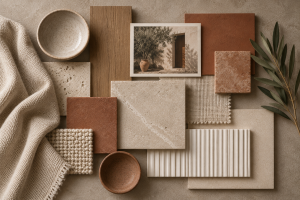
You don’t necessarily need more things. Sometimes you just need more interesting materials.
Perfectly Imperfect Interiors
There’s been a noticeable move away from interiors where every surface is pristine and every object feels carefully positioned.
2027 looks likely to embrace a little more imperfection.
Natural finishes are a big part of that.
Knots in timber, variation in stone, visible brush marks, handmade tiles and slightly irregular ceramics all bring character to a room.
Even wood flooring is moving away from the idea that every board needs to look identical. Rustic grades, visible knots and tonal variation can make a floor feel much more natural.
There’s something nice about a home that gets better as it settles in rather than one you’re frightened to touch.
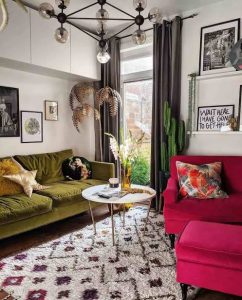
Vintage And New Are Becoming Better Friends
Vintage furniture has been creeping back into contemporary interiors for some time, and we expect that mix to become even more noticeable.
A beautifully worn dining table can look fantastic beneath a modern pendant light. An antique sideboard can sit happily beside a contemporary sofa. An old chair can be reupholstered in something completely unexpected.
Mixing old and new stops a room feeling overly coordinated and gives it a sense of history.
It’s also a more sustainable way to furnish a home. Not everything needs to arrive in a cardboard box with an Allen key.
The trick is avoiding the temptation to make everything vintage. One or two older pieces often have far more impact when they’re surrounded by simpler, newer furniture.
Sustainability Meets Longevity
For a long time, sustainable design was treated almost like a style of its own.
That’s changing.
Instead, sustainability is becoming part of the decision-making behind an interior: buying fewer things, choosing better materials, repairing rather than immediately replacing and thinking about how long something will realistically stay in the home.
Longevity matters here.
There’s little point choosing something purely because it’s fashionable if you already suspect you’ll want to replace it in three years.
That applies to furniture, kitchens, bathrooms and particularly bigger-ticket surfaces such as flooring.
Choosing a floor with a real wood surface and a timeless finish (such as Mies 14mm Engineered Wood Flooring range, which delivers the classic ‘wood floor’ look) gives you far more freedom to change everything around it later.
Homes Are Being Designed For Actual Living
One of our favourite changes in interiors is also one of the simplest: practicality is being allowed back into the conversation.
People have homes to live in.
There are children. Pets. Shoes by the door. Chargers. Laundry. Remote controls. That cupboard full of things nobody quite knows what to do with.
Good interior design in 2027 is increasingly about making all of that easier to live with.
Built-in storage is becoming cleverer. Furniture is being chosen for comfort as well as looks. Open-plan spaces are being broken into more useful zones. Materials are being selected with everyday wear in mind.
It’s one of the reasons engineered wood flooring makes sense in so many modern homes. You still get a genuine real wood top layer, but its layered construction gives it additional stability and makes it suitable for underfloor heating.
The look and feel of solid wood, without having to treat your home like a showroom.
Find out more? Take a look at our Engineered Wood Vs Solid Wood Flooring guide.
Statement Pieces Are Replacing Statement Rooms
Rather than making every part of a room shout for attention, interiors are becoming more selective.
One oversized pendant.
A beautiful chair.
An unusual piece of artwork.
A richly veined stone worktop.
A particularly lovely bit of joinery.
The rest of the room can then be relatively restrained.
It’s a much easier way to introduce personality without committing yourself to an entire room that might feel overwhelming six months later.
It also gives you permission to spend a little more on the things you really love and keep everything around them relatively simple.
Wood Tones Are Warming Up
Pale oak has dominated interiors for years and isn’t disappearing anytime soon, but we’re beginning to see more variety.
Warmer oak tones, mid-browns, smoked finishes and richer timber shades are finding their way back into kitchens, furniture and flooring.
These slightly deeper colours work particularly well with the earthier palettes coming through for 2027.
Olive green alongside warm oak is difficult to get wrong. The same goes for clay, rust, cream and deeper brown tones.
For those who still love a lighter interior, pale natural oak remains a brilliant option. The difference is that there’s no longer one timber shade that everyone feels they have to choose.
And we’re very happy about that.
The Best Homes Won’t Follow One Particular Trend
Perhaps the biggest direction for 2027 is that interiors are becoming harder to put into neat little boxes.
And that’s probably a good thing.
You can like Scandinavian furniture and traditional flooring. You can have contemporary artwork in a period property. You can mix an old dining table with brand-new chairs.
Your home doesn’t need to belong to a particular design movement.
What matters more is choosing materials, colours and furniture that work well together and, more importantly, that you’re happy to live with.
Trends are useful for inspiration. They can introduce us to colours we hadn’t considered, materials we hadn’t noticed or new ways of putting a room together.
They just don’t need to dictate every decision.
A Good Foundation Gives You Room To Change Your Mind
If there’s a common thread running through the interior trends heading into 2027, it’s longevity.
Homes are becoming warmer and more individual, with natural materials, richer colours and pieces chosen for character rather than simply because they’re fashionable.
That makes a versatile foundation more valuable than ever.
Natural engineered wood flooring sits comfortably in that world. It works with warm minimalism, vintage furniture, earthy colours, contemporary spaces and more traditional homes without tying you too closely to any one of them.
At Frinje, we’ve got everything from light contemporary oak to warmer natural shades, richer tones and more characterful textured finishes.
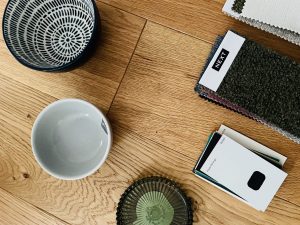
And because a photograph on a screen will only tell you so much, you can order up to 3 free flooring samples and see how they actually look alongside your furniture, paint colours and lighting.
We’ll even cover the postage.
Explore our engineered wood flooring and find a floor you’ll be happy to build a home around.
